
GUM THERAPY
Treating gum disease by removing plaque or using laser treatment.
What are signs of gum disease?
- Red, inflamed gums
- Bleeding while brushing or flossing
- Receding gums
- Loose or separating teeth
- Presence of pus between the gum and tooth
- Chronic bad breath

FAQ
Frequently Asked Questions
My gums bleed when I brush. Should I be worried?
If you were bleeding from the head or an extremity you would have it checked out. Likewise, if you notice that your gums are bleeding you should have your general dentist take a look to check for gum disease.
Is gum disease hereditary?
While there is a genetic component to gum disease, other factors, such as lifestyle choices, age, and oral health habits, can also contribute to this condition. Talk with your general dentist to find out if you have other risk factors for gum disease.
What can I do to prevent gum disease?
Proper oral hygiene and care offer the best chance of preventing gum disease. Good brushing habits, regular flossing, and routine dental visits will go a long way to avoiding periodontal disease.
What is the cure for gum disease?
There is no cure for gum disease at this time. However, proper treatment and good home care can stop the progression of the disease and restore your oral health.
The Treatment:
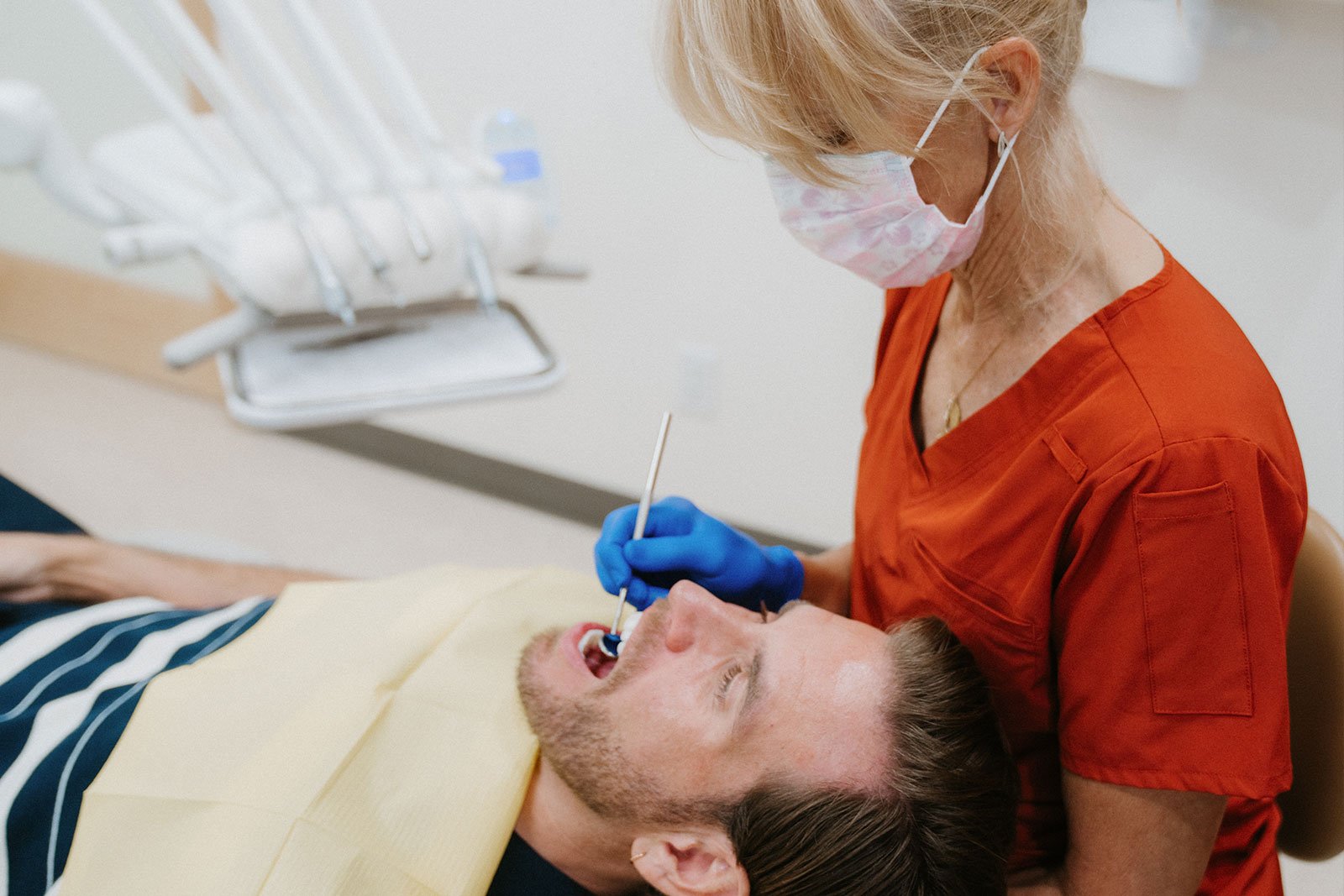
If gum disease is caught early, it can be treated by scaling the teeth to remove plaque. It can also be treated through laser treatment, to reduce bleeding, pain, and swelling.
A dental laser consists of an electricity source and mirrors that guide the beam of light; gas or solid matter through which the light passes; and a tube for directing the light. Different types of lasers are available, including soft tissue and hard tissue lasers. Their design and the wavelengths of light used depend upon the dental application. Likewise, the intensity and duration of heat, the wavelength of the laser beam and pulse time depend upon which procedure the dentist is performing.


Other Services