
WISDOM TEETH REMOVAL
A preventative procedure done with local anaesthetic.
Comfortable, Expert Wisdom
Teeth Removal
Our general dentists are experienced with wisdom teeth removal and will make the process as smooth and comfortable as possible. Local anaesthetic or IV sedation is administered, depending on your level of dental anxiety.


About the Treatment
First, a local anesthetic is given to make the procedure more comfortable.
Once the area is numb, the extraction begins. A dental instrument called an elevator is used to wiggle the tooth in its socket. After the tooth is loosened it is removed using forceps or in some more complicated cases, a surgical hand piece is also used to assist with the removal of the tooth.
Extraction’s Possible Complications
Like most other procedures, tooth extraction is not free of possible complications. You should be aware that there is a slight chance of infection, tenderness, prolonged bleeding, dry socket and loosening of neighboring teeth or their fillings or crowns.
Another rare possibility is of an upper tooth getting displaced into the sinus. Lastly, jaw fracture and temporary or permanent numbness are also very rare possibilities.
When Should I Remove My Wisdom Teeth?
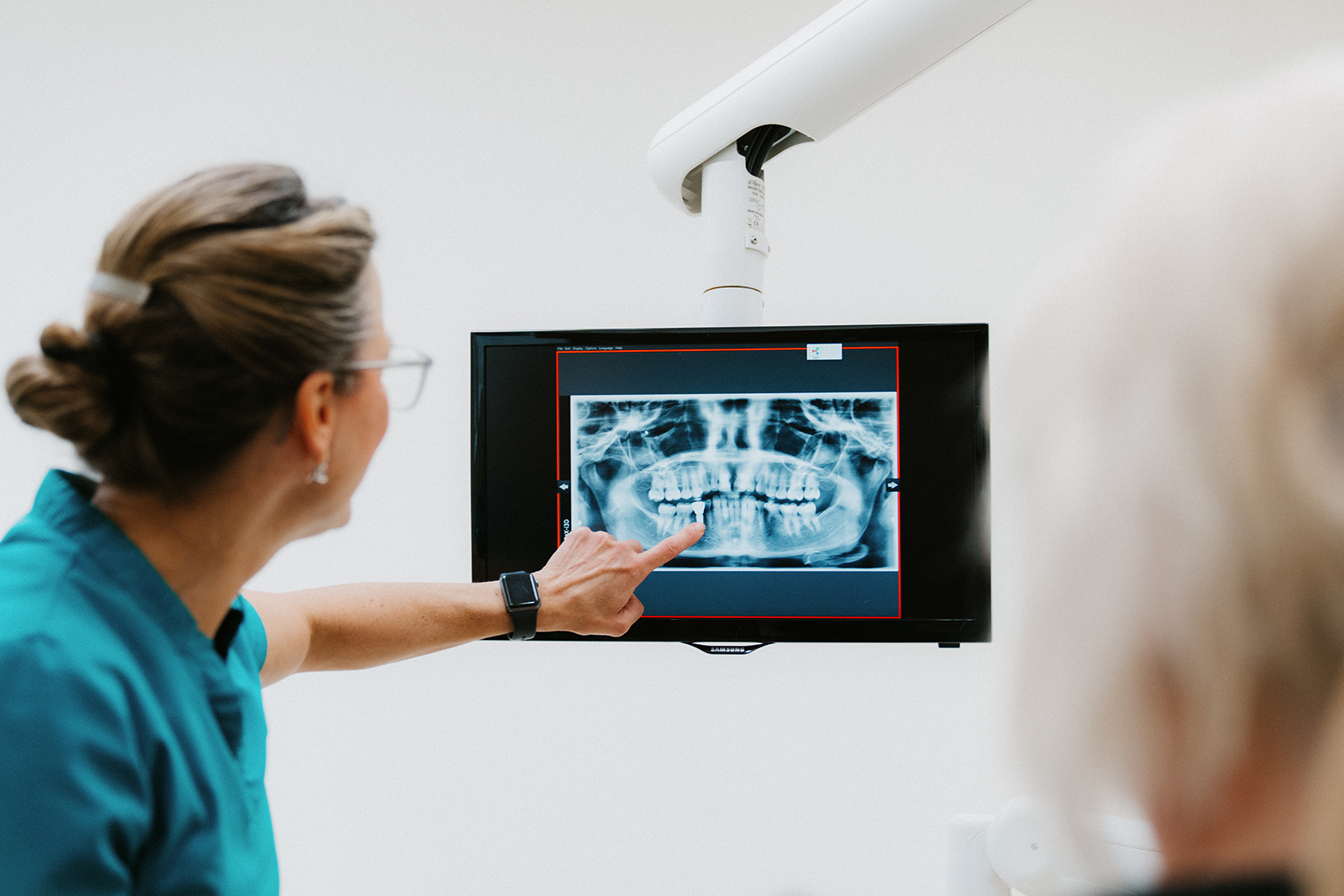
When should you have your wisdom teeth removed? There is no single right answer for everyone; however, if your general dentist has advised you that your wisdom teeth look potentially problematic it’s generally best to remove them sooner rather than later.
This advice is based on the fact that the younger you are, the faster you heal. The likeliness of lingering numbness, jaw fracture or other complications also increases with age. Lastly, the longer you leave a troublesome wisdom tooth in your mouth, the longer it has to cause further problems in the future. All services provided by a general dentist.